Diamond Fundamentals • Comparative Gemology

Lab-Grown vs. Natural Diamonds: The Complete Gemological Comparison

verified Lavish Gemological & Technical Research Team schedule 9 min read event Last Updated: October 2026
Scientific reality: natural and lab-grown diamonds are physically, chemically, and optically identical. Understanding the differences comes down to origin, formation timeline, environmental footprint, and commercial wholesale economics.
lightbulb Key Gemological Takeaways
  • Identical Gemology: Both are 100% crystallized carbon with Mohs 10 hardness, 2.417 refractive index, and 0.044 dispersion.
  • Origin vs Timeline: Natural diamonds formed 1.0 to 3.5 billion years ago under deep mantle pressure; lab diamonds crystallize over 2 to 4 weeks under identical thermodynamic conditions.
  • Wholesale Value Multiplier: Lab-grown diamonds trade at a 70% to 90% discount relative to mined stones, allowing manufacturers and retailers to deliver significantly larger carat weights and higher clarity grades.
  • Zero Ecological Excavation: Lab diamond synthesis eliminates open-pit earth displacement, tailings runoff, and conflict supply-chain risks.
  • Traceability and Transparency: 100% chain-of-custody guarantee from synthesis reactor to polished stone.
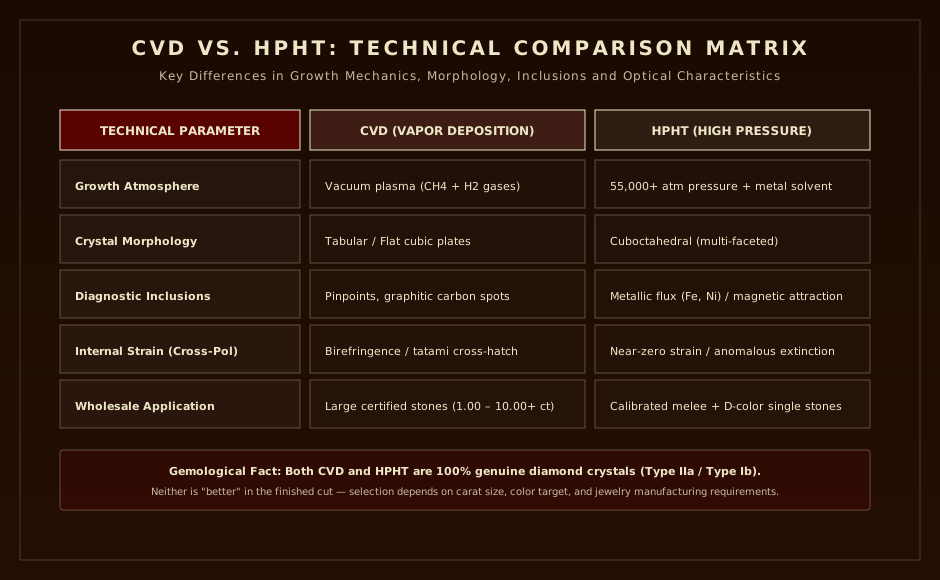
Figure 1.2: Comparative Matrix: Growth Environment, Inclusions, and Commercial Typology

Scientific Parity: The Gemological Truth

The fundamental question asked by consumers and jewelry professionals alike is whether lab-grown diamonds are "real" diamonds. The unequivocal consensus across international gemological laboratories—including IGI, GIA, HRD, and AGS—is that lab-grown diamonds are 100% real diamonds.

An analogy frequently cited by gemologists is ice: whether ice forms on a frozen mountain lake over winter or inside a high-tech modern freezer, both samples are chemically H₂O, possess identical hexagonal crystal structures, freeze at 0°C, and melt at 0°C. Similarly, diamond synthesized in a vacuum plasma reactor from methane carbon atoms possesses the exact atomic lattice, brilliance, thermal conductivity, and indestructible hardness as diamond brought to the surface by ancient kimberlite volcanic eruptions.

Earth Mantle vs. Synthesis Laboratory

While the resulting material is identical, the crystallization environment and timeline diverge significantly:

  • Natural Mined Diamonds: Formed between 1.0 and 3.5 billion years ago in the Earth’s upper mantle at depths of 140 to 200 kilometers. Growth occurred under pressures exceeding 50,000 atmospheres (5 GPa) and temperatures between 900°C and 1,300°C. Crystals remained trapped until deep-seated kimberlite and lamproite magma pipes carried them rapidly to the Earth’s surface.
  • Chemical Vapor Deposition (CVD): A millimeter-thin diamond seed slice is placed inside a vacuum chamber. Hydrocarbon gas (methane, CH₄) and hydrogen (H₂) are ionized by microwave energy into a glowing plasma ball at 800°C to 1,000°C. Carbon radicals rain down atom by atom, crystallizing on the seed plate over 2 to 4 weeks.
  • High Pressure High Temperature (HPHT): Diamond seeds and high-purity carbon are placed in a massive hydraulic anvil press (cubic or BARS). Under 5.5 to 6.5 GPa of pressure and 1,400°C to 1,600°C, a molten metallic flux dissolves the carbon, precipitating it onto diamond seeds to grow cuboctahedral crystals over 7 to 14 days.

Side-by-Side Comparison Matrix

Characteristic Lab-Grown Diamond Natural Mined Diamond
Chemical Composition Pure Carbon (C) Pure Carbon (C)
Crystal System Isometric-hexoctahedral (cubic) Isometric-hexoctahedral (cubic)
Mohs Hardness 10.0 (Extreme) 10.0 (Extreme)
Refractive Index 2.417 2.417
Dispersion (Fire) 0.044 0.044
Density 3.52 g/cm³ 3.52 g/cm³
Predominant Type > 98% Type IIa (Ultra-pure) > 98% Type Ia (Nitrogen-bearing)
Grading Certificates IGI, GIA, HRD (Full 4Cs report) IGI, GIA, HRD (Full 4Cs report)
Girdle Inscription Laser inscribed "LAB GROWN" + Cert # Laser inscribed Cert # (optional)
Wholesale Price Index 70% to 90% below mined parity Benchmark Rapaport pricing

Environmental Footprint & Ethical Traceability

One of the most compelling advantages of lab-grown diamonds in contemporary luxury is sustainability and ethical transparency. Mining an average 1.00-carat rough natural diamond requires excavating approximately 250 tons of earth, consuming thousands of liters of water, and burning heavy fossil fuels in deep-pit mining operations.

In contrast, lab diamond synthesis takes place in modern, high-efficiency laboratories increasingly powered by renewable solar and hydro grid energy. There is zero open-pit ecosystem displacement, zero acid mine drainage, and zero risk of funding regional conflict. Furthermore, because every rough crystal moves directly from synthesis facility to precision laser cutting centers (primarily in Surat, India), B2B buyers enjoy 100% chain-of-custody transparency.

Commercial Wholesale Pricing Dynamics

The commercial revolution of lab-grown diamonds is driven by production economics rather than natural scarcity cartels. Because synthesis technology has achieved scalable yield efficiencies, wholesale prices per carat have normalized to reflect manufacturing capital, energy inputs, and master cutting craftsmanship.

For jewelry ateliers and retailers, this enables substantial competitive advantages:

  • Clients can purchase a 2.00 ct or 3.00 ct D-E VVS diamond for the same budget that previously only allowed a 0.70 ct or 1.00 ct mined diamond with visible inclusions.
  • Jewelry designers can incorporate pavé star and melee diamonds across high-jewelry settings without cost-prohibitive gemstone overhead.
  • Retailers capture healthy commercial gross margins while offering end consumers unmatched visual impact.
help

Frequently Asked Questions

Can insurance companies insure lab-grown diamond jewelry? expand_more
Yes. All major global jewelry insurers (such as Jewelers Mutual, Chubb, and homeowners policy riders) insure lab-grown diamond jewelry based on its appraised replacement value and official grading report.
Do lab-grown diamonds hold resale value? expand_more
Like natural diamonds, lab-grown diamonds trade on secondary wholesale and buyback markets at a percentage of current market replacement value. Because lab diamonds have lower initial acquisition costs, consumer depreciation in absolute dollar terms is often substantially lower than retail markups on mined diamonds.
Can a consumer tell any visual difference on the hand? expand_more
None whatsoever. Even experienced gemologists cannot distinguish between an ideal-cut lab diamond and an ideal-cut natural diamond when mounted in jewelry without specialized spectroscopic testing equipment.
verified
Lavish Gemological & Technical Research Team
Technical Review: Senior Diamond Technologist & Quality Director
Published by Lavish Diamond Research Labs
Trade Inquiries
Source Certified Diamonds Direct from Surat
Continue Learning

Related Gemological Guides

View All 20 Guides arrow_forward
Diamond Fundamentals 8 min read

What Are Lab-Grown Diamonds? The Complete Scientific and Gemological Guide

A lab-grown diamond is 100% pure crystallized carbon arranged in an isometric-hexoctahedral crystal system. Physically, chemically, and optically identical to mined diamonds, lab diamonds are synthesized under meticulously controlled laboratory conditions replicating Earth’s mantle.

Read Guide arrow_forward
Wholesale Sourcing & QC 9 min read

How to Buy Lab-Grown Diamonds Wholesale: B2B Sourcing Playbook

Navigating the global wholesale diamond market requires understanding commercial trade structures, pricing mechanics, and logistics. From single certified solitaires to high-volume calibrated parcel orders, here is how retail jewelers, private designers, and manufacturing houses maximize margin and supply security.

Read Guide arrow_forward
Certification & Identification 8 min read

How to Read an IGI Diamond Report: Complete Specimen Analysis

The International Gemological Institute (IGI) is the global gold standard for lab-grown diamond certification. This comprehensive guide walks you through every data field on an official IGI report—from 4Cs grading to proportion diagrams and vital growth comments.

Read Guide arrow_forward