Precision in Every Stone.
Value in Every Partnership.
Discover premium loose lab-grown diamonds for professional B2B buyers. Explore our collections and request competitive wholesale pricing directly from Lavish.
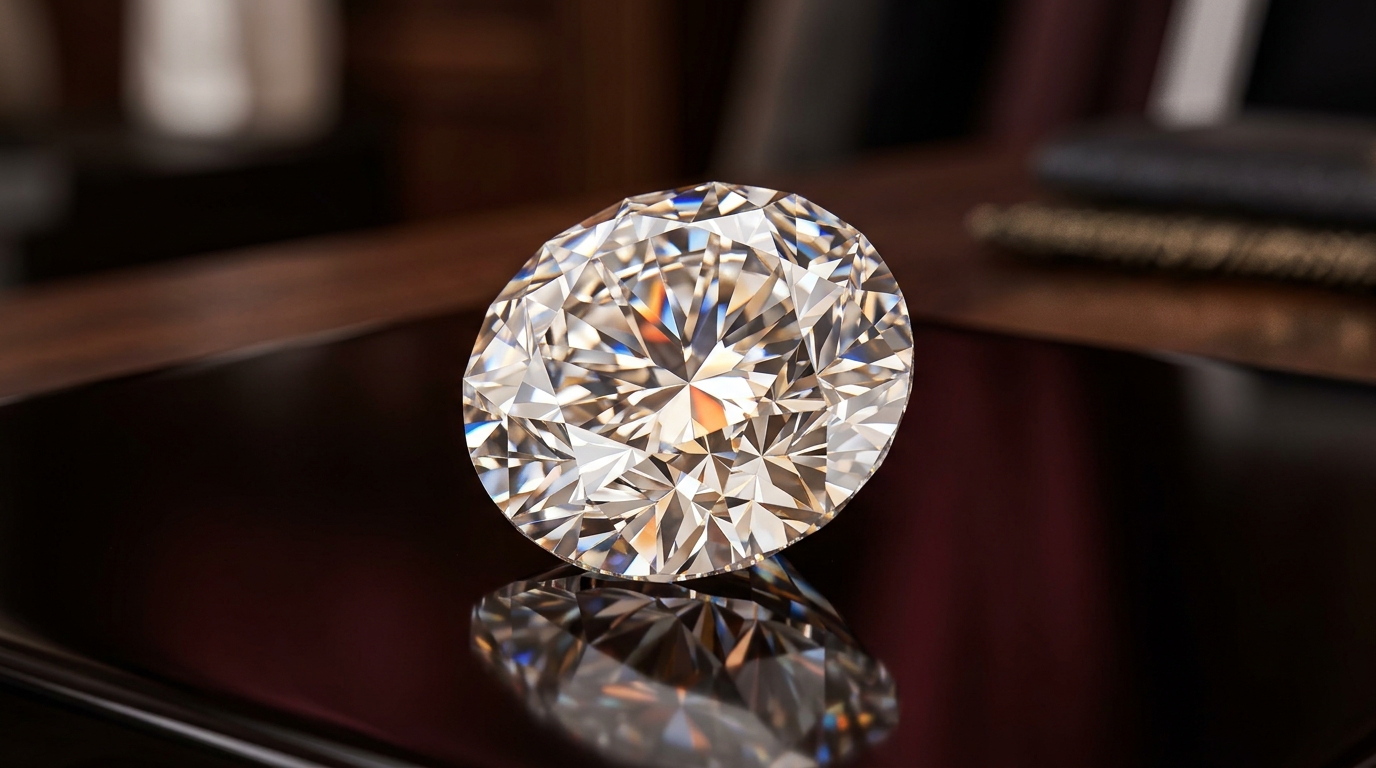
Explore Diamonds by Shape
Select any silhouette below to configure custom calibrated parcels or certified single stones according to your atelier’s exact cut requirements.
Our Diamond Collections
Pure loose stone supply engineered to meet international gemological standards and exacting wholesale tolerances.
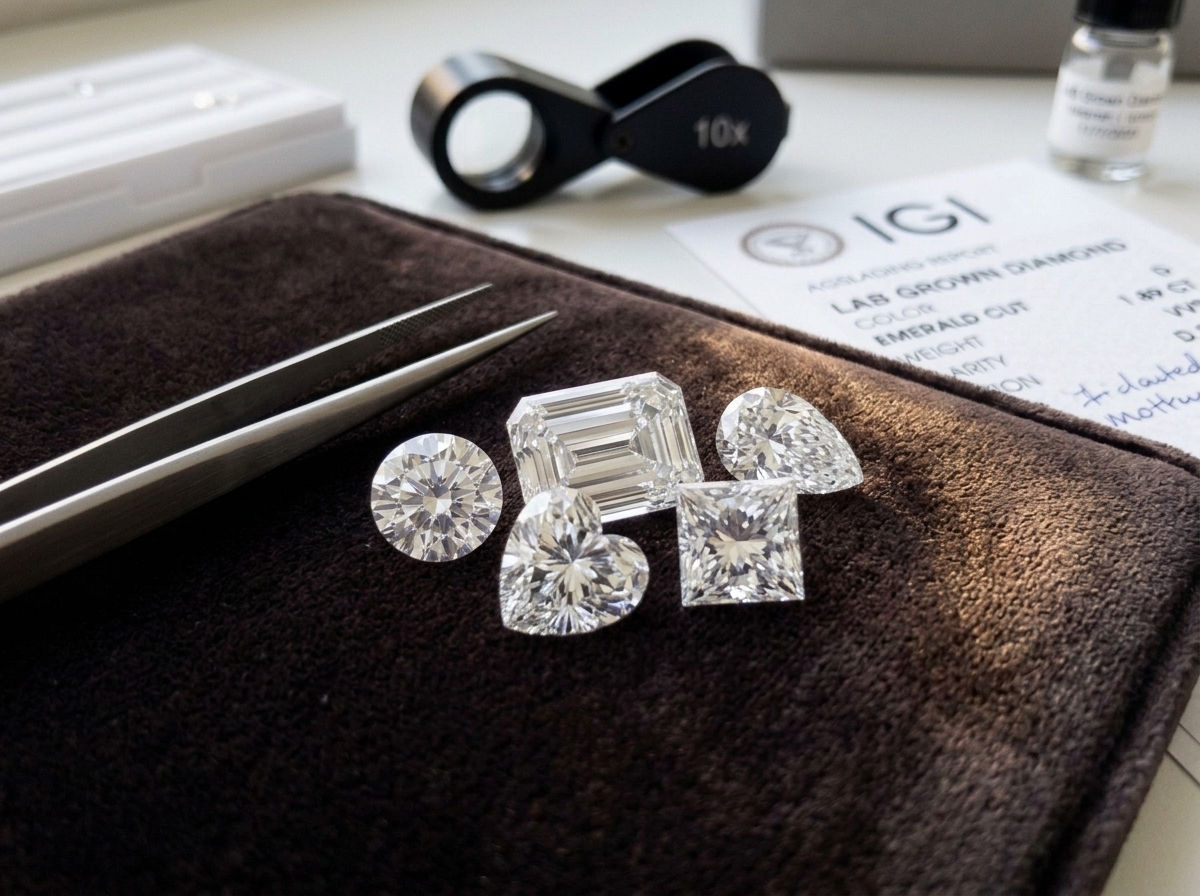
IGI Certified Diamond
Explore IGI-certified lab-grown diamonds ranging from 0.23 carat to 90 carats, available in a wide range of shapes with individual IGI certification for your wholesale sourcing requirements.
Non Certified Diamond
Source non-certified lab-grown diamonds ranging from 0.23 carat to 90 carats, available in a wide range of shapes to meet your wholesale inventory and manufacturing requirements.
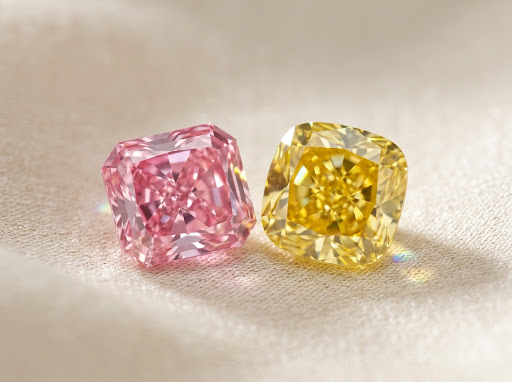
Fancy Color Diamonds
Discover a wide range of fancy color lab-grown diamonds, including vivid pinks, intense yellows, captivating blues, and other beautiful hues. Explore color options for your jewelry manufacturing and wholesale requirements.
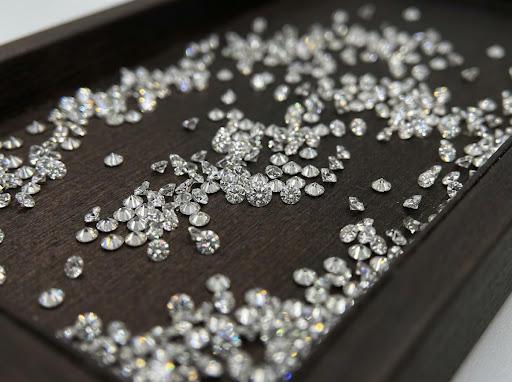
Calibrated Melee Diamonds
Source calibrated round lab-grown melee diamonds ranging from 0.80 mm to 6.50 mm, with consistent sizing for pavé settings, fine jewelry manufacturing, and other professional applications.
Built Around Your Business
Engineered exclusively for jewelers, manufacturers, and diamond wholesalers seeking dependable upstream supply.
Manufacturer-Direct
Direct access to high-capacity CVD and HPHT growth chambers, eliminating multiple dealer margins.
Certified & Non-Certified
Flexible inventory solutions ranging from IGI-inscribed gems to wholesale manufacturing lots.
Specification-Based
Precision sorting by millimeter sieves, fluorescence, culet conditions, and table proportions.
Wholesale Quotations
Volume tier discounts tailored specifically for manufacturing schedules and repetitive contracts.
Direct Trade Support
Rapid communication via dedicated gemologists available over WhatsApp, direct line, and secure mail.
How to Source with Lavish
Three simple steps to establish a transparent, ongoing loose diamond procurement pipeline.
Choose Your Diamonds
Select from IGI Certified Diamond loose stones, Non Certified Diamond parcels, Fancy Color Diamonds, or Calibrated Melee Diamonds.
Share Specifications
Specify shapes, carats, sieve mm thresholds, color/clarity requirements, and targeted monthly volume.
Receive a Quotation
Receive direct manufacturer pricing, grading certificates, and immediate lot availability within hours.
Prefer a Direct Conversation?
Our gemologists and B2B account directors are on standby to discuss production lots and contract schedules.
WhatsApp Us
Instant response for immediate stock queries & certificates.
Call Now
Direct conversation with senior diamond advisors.
Email Us
Send full tender sheets or RFQ specification lists.
What Are Lab-Grown Diamonds?
Lab-grown diamonds are real diamonds produced in controlled laboratory environments using advanced diamond-growth technology. They have essentially the same chemical composition, crystal structure and fundamental optical properties as natural diamonds. Like natural diamonds, their appearance and quality vary according to their individual characteristics.
Lab-grown diamonds are commonly produced using two methods: Chemical Vapor Deposition (CVD) and High Pressure High Temperature (HPHT). Their growth origin differs from that of natural diamonds, which form through geological processes within the Earth.
At Lavish Lab-Grown Diamond, we focus on B2B diamond sourcing and supply, helping professional buyers communicate their requirements for shapes, carat weights, color, clarity, growth method and certification.
CVD — Chemical Vapor Deposition
CVD diamonds grow as carbon-containing gases are introduced into a specialized vacuum chamber, depositing carbon atoms layer-by-layer onto a diamond seed crystal under low pressure.
HPHT — High Pressure High Temperature
HPHT diamonds are grown under conditions of high pressure and high temperature that support diamond crystal formation, replicating the intense physical conditions required for diamond growth.
Lab-Grown Diamonds vs Natural Diamonds
Both are diamonds, but their origins differ. Understanding that distinction helps businesses communicate accurately with their customers and make informed sourcing decisions.
| Comparison | Lab-Grown Diamonds | Natural Diamonds |
|---|---|---|
| Origin | Grown in a controlled laboratory environment | Formed through natural geological processes within the Earth |
| Basic composition | Crystalline carbon | Crystalline carbon |
| Crystal structure | Diamond crystal structure | Diamond crystal structure |
| Production timeline | Grown over a much shorter period under controlled conditions | Formed over geological timescales |
| Growth methods or processes | Commonly CVD or HPHT | Natural geological formation |
| Identification | Specialized gemological testing may be used to identify laboratory growth | Gemological examination may identify natural origin |
| Certification | Eligible stones may be accompanied by grading reports from recognized laboratories | Eligible stones may be accompanied by grading reports from recognized laboratories |
| Sourcing considerations | Availability, specifications, growth origin, documentation and price | Availability, specifications, natural origin, documentation and price |
Looking for Lab-Grown Diamonds for Your Business?
Whether you are a diamond wholesaler, jewelry manufacturer, retailer or international trading company, our team can discuss your requirements for certified diamonds, non-certified diamonds, fancy-color diamonds and calibrated melee diamonds.
Share your required specifications and quantity so our team can confirm availability and provide a wholesale quotation.
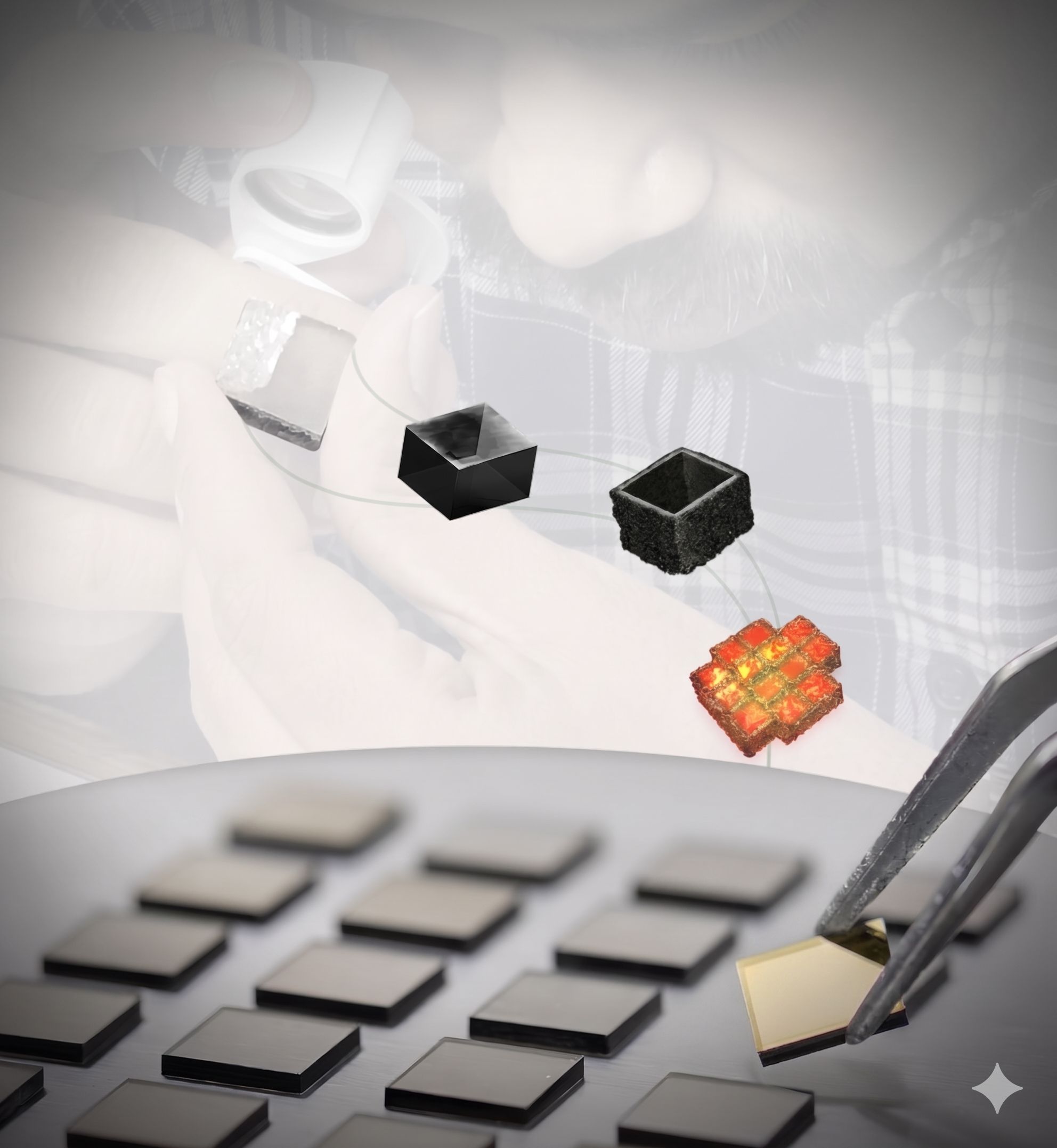
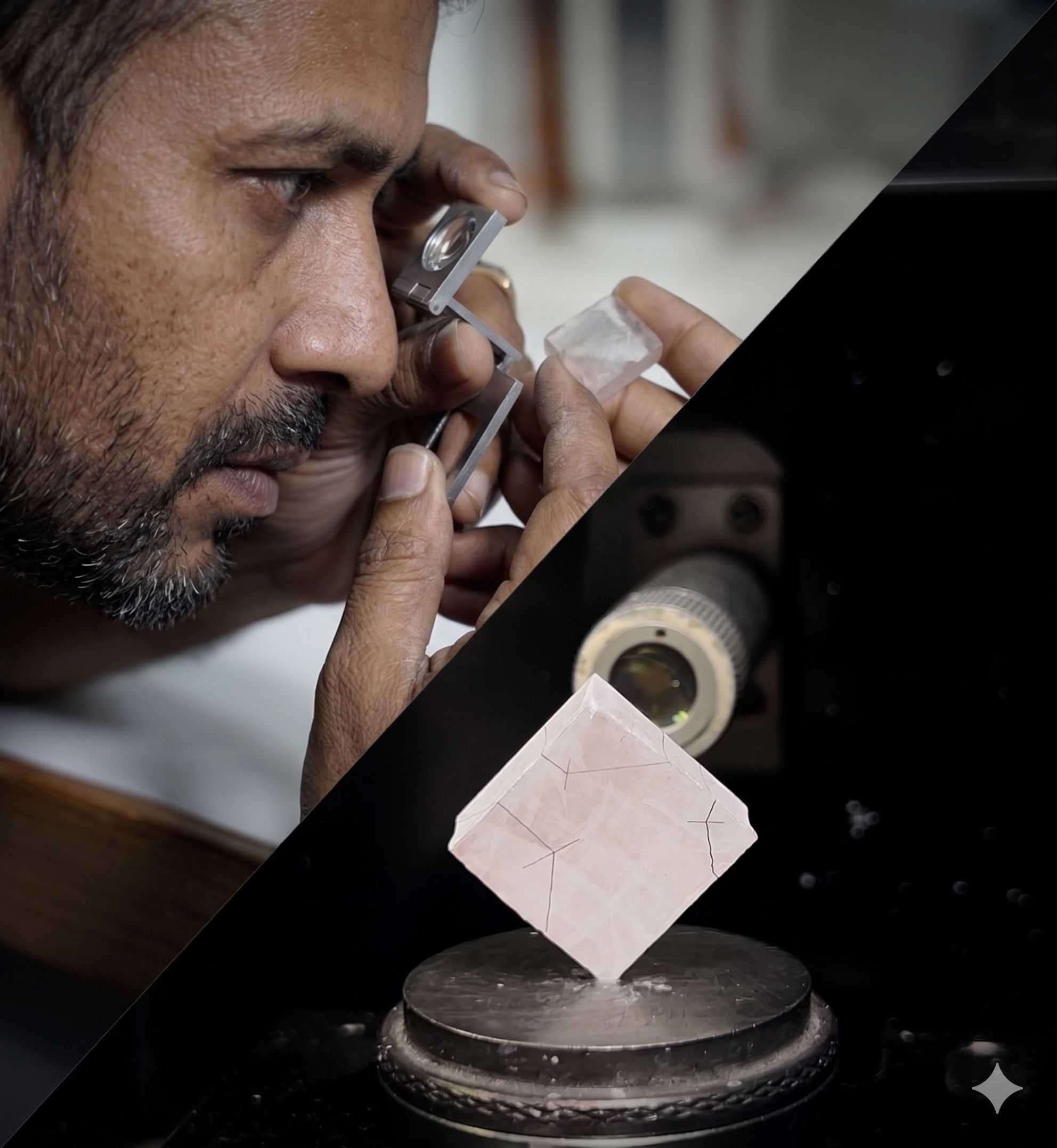
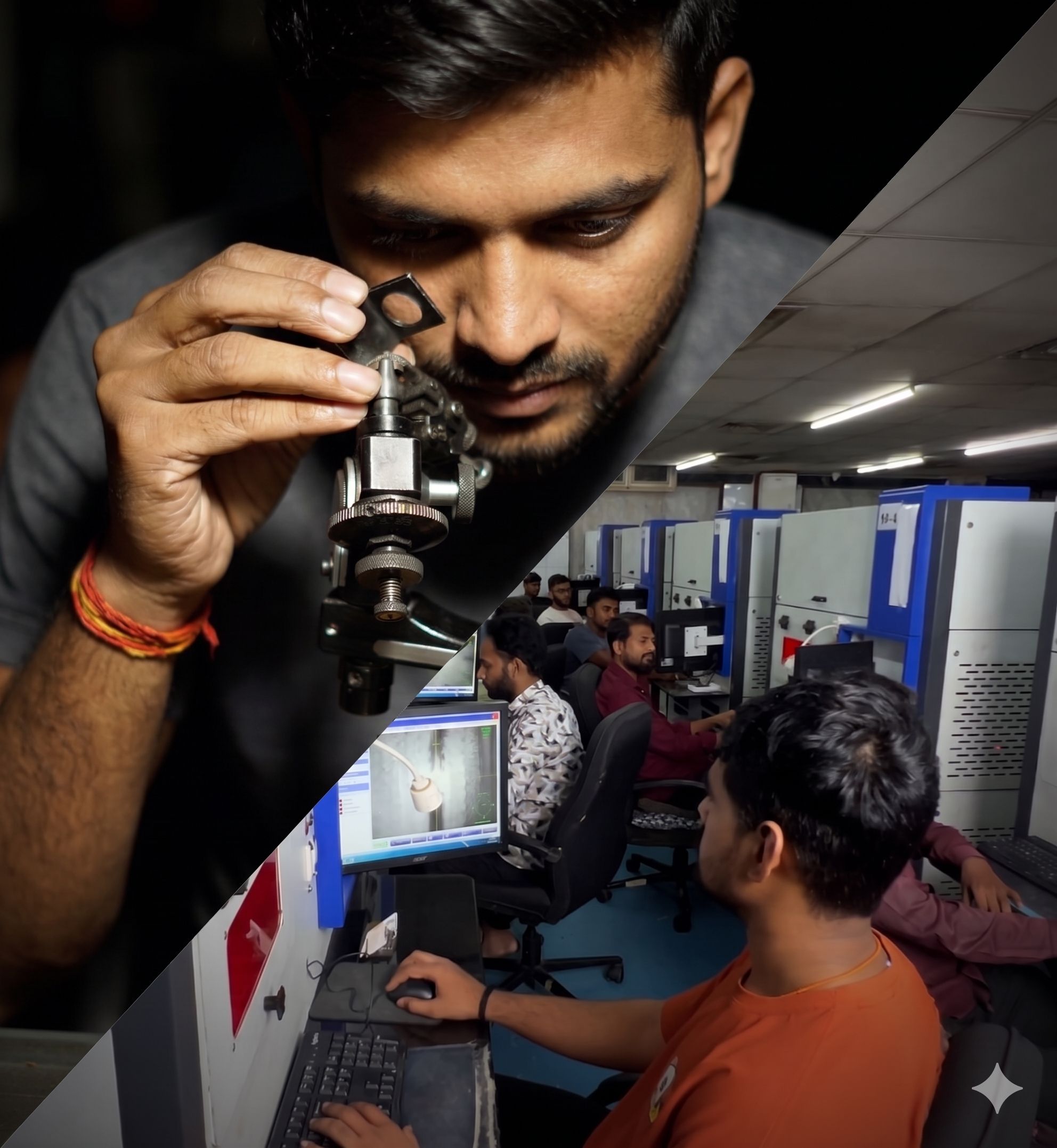
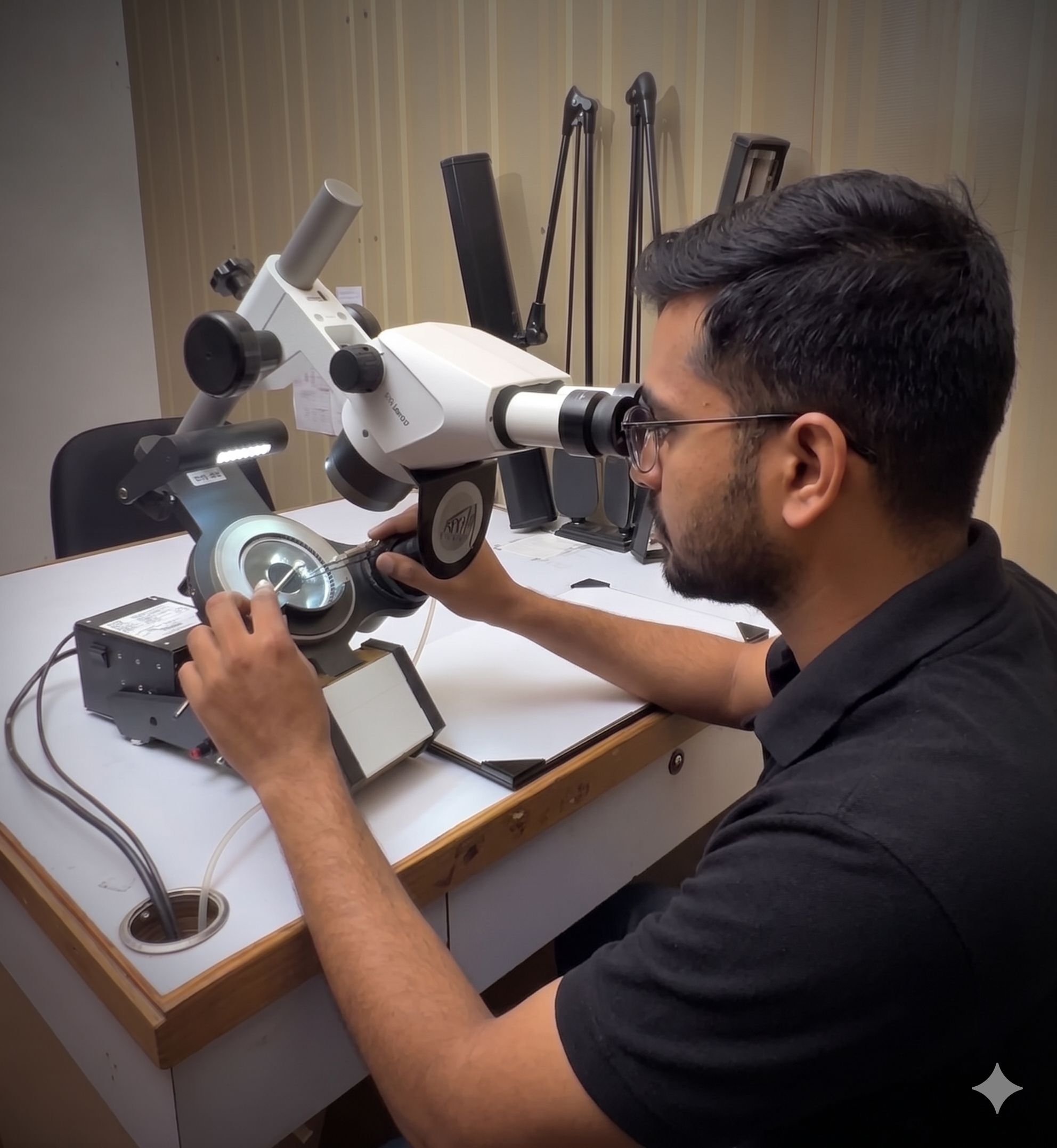
From Carbon Seed to Finished Diamond in 4 Precise Steps
Discover the key stages behind lab-grown diamond production, from crystal growth to final inspection and grading.
CVD Diamond Growth
Lab-grown diamonds can be produced using Chemical Vapor Deposition (CVD), where carbon-containing gases are used to grow diamond crystal layers on a diamond seed inside a controlled chamber.